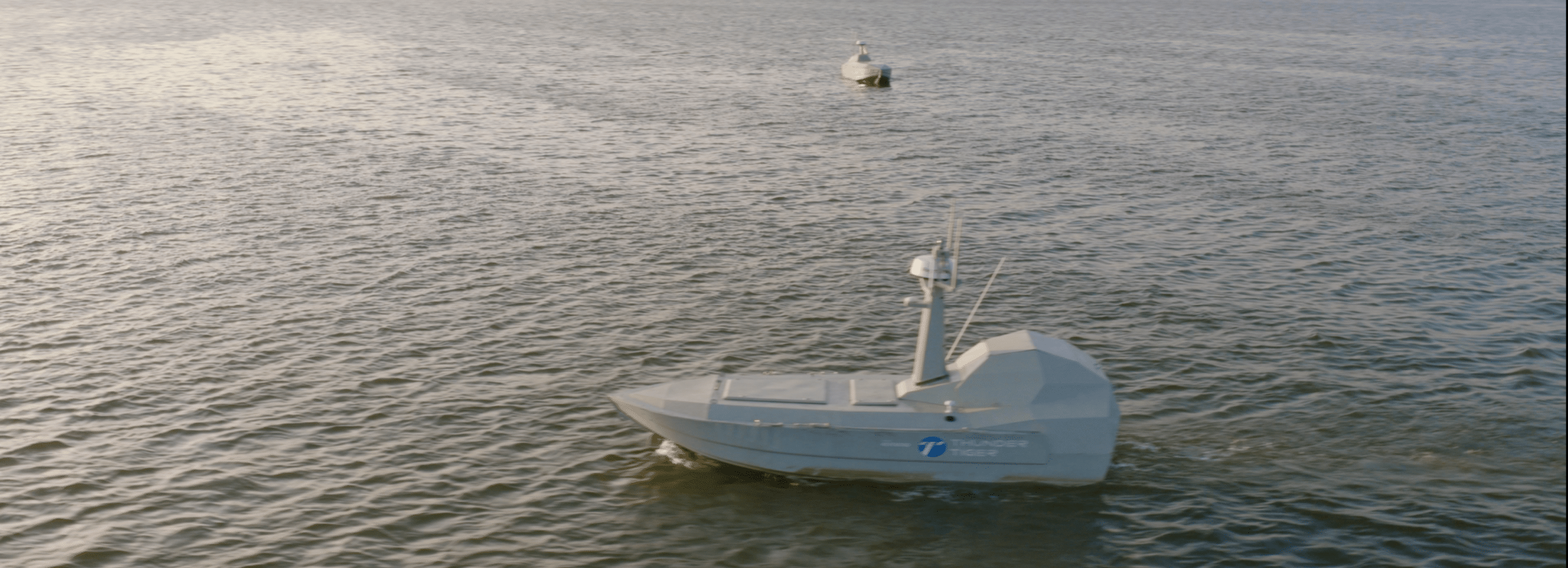
An alliance can own many uncrewed vehicles and still struggle to move a sensor between them. Payload interfaces, communications and the way operators interpret observations determine whether a shared development becomes useful across national fleets.
On October 27 the UK Ministry of Defence said Britain would lead three underwater payload developments under AUKUS: synthetic aperture sonar, a deployable anti-submarine warfare sensor and a deployable non-kinetic effector. It described availability across the partners’ underwater-vehicle fleets from 2027, following Maritime Big Play testing in San Diego. That is a delivery objective, not a statement that all three are already fielded. AUKUS undersea sensor and Maritime Big Play announcement.
Separate the exercise from the delivery claim
The release reports trials and demonstrations involving crewed and uncrewed systems. Those activities can expose integration problems before procurement. They do not, on their own, establish that a new payload has completed environmental qualification, platform acceptance or an operational deployment.
For Indo-Pacific partners, the important near-term question is how much integration work must be repeated on each vehicle. Common mechanical and software interfaces could reduce that burden. National security rules, sensor calibration and support arrangements may still require platform-specific work. Public evidence does not quantify those costs.
Portability needs an acceptance record
Our assessment is that the programme’s strategic value will become clearer when one payload is accepted on more than one partner’s vehicle under documented conditions. That would demonstrate an option the alliance can reuse. The evidence to watch is the acceptance sequence, supported platforms, trained crews and maintenance arrangements—not a forecast of surveillance coverage derived from an exercise photograph.
Image reuse: UK Government / Crown copyright / OGL v3.0. Original image retained; responsive display may crop the frame.
Sources & evidence
Sources describe the announcements and evidence available when this analysis was published. Company claims are attributed; plans and trials are not treated as sustained operation.