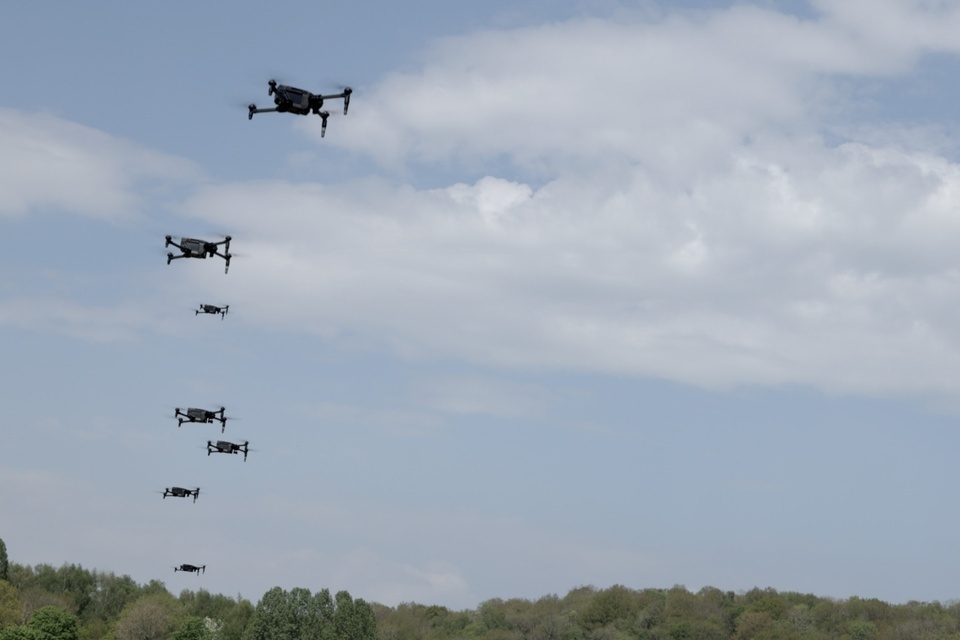
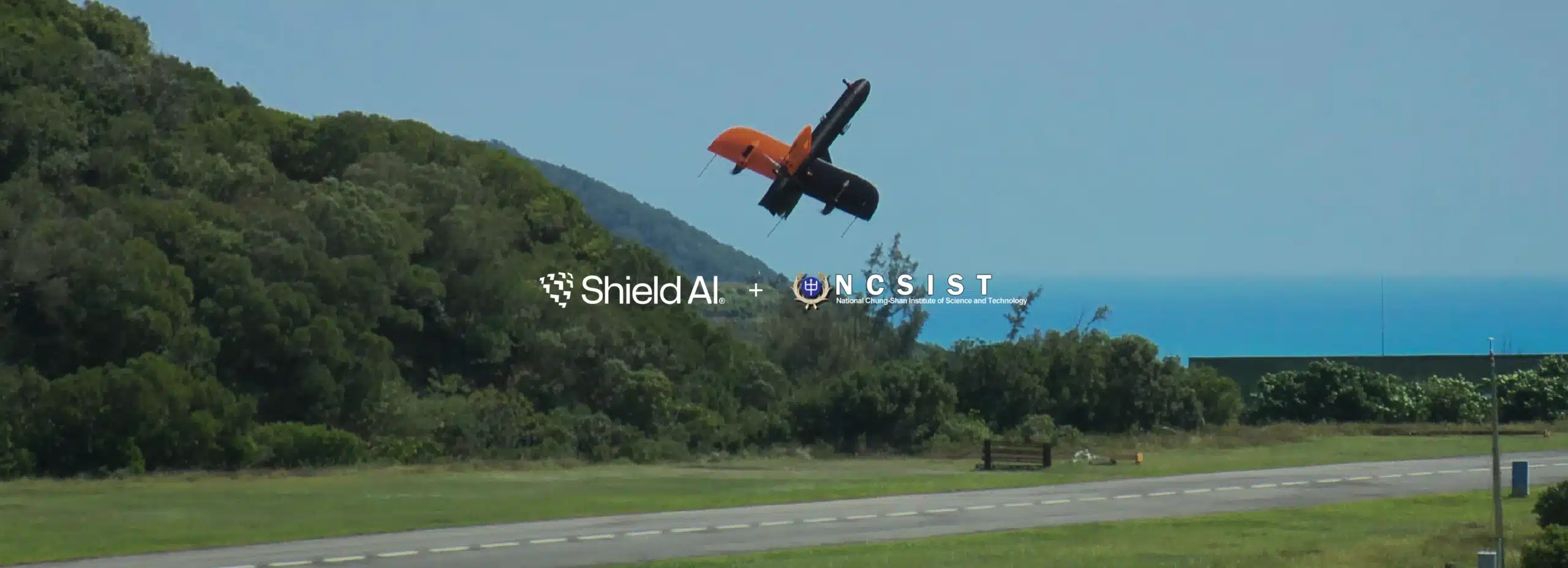
NCSIST’s aerial exercise and Thunder Tiger’s SeaShark demonstration add evidence to a sequence of contracts and partnerships. They do not establish an acquisition or a deployed fleet.
The March 2026 testing initiative adds a practical counterpart to NATO’s AI strategy and allied autonomy experiments: systems must exchange useful information under operating constraints.
The August government update and Sarvam’s 2026 financing provide concrete measures of activity, while highlighting the difference between funded development and widely usable capability.
The January 2026 licensing revision followed a different 2025 policy shift. Reading either headline without its scope obscures what exporters and buyers can actually do.
NCSIST’s aerial exercise and Thunder Tiger’s SeaShark demonstration add evidence to a sequence of contracts and partnerships. They do not establish an acquisition or a deployed fleet.
AIDC’s teaming agreement and NCSIST’s local development work raise a practical question: who can keep an imported autonomy system useful as requirements change?
The May 2026 signature project and earlier AI trials show allies working on shared technology, while leaving delivery schedules and operational integration to be proved.
The March 2026 testing initiative adds a practical counterpart to NATO’s AI strategy and allied autonomy experiments: systems must exchange useful information under operating constraints.
Eighteen national plans had received approval by April 2026, and Canada’s participation agreement was formally concluded in June. Financing authorization remains distinct from delivered equipment.
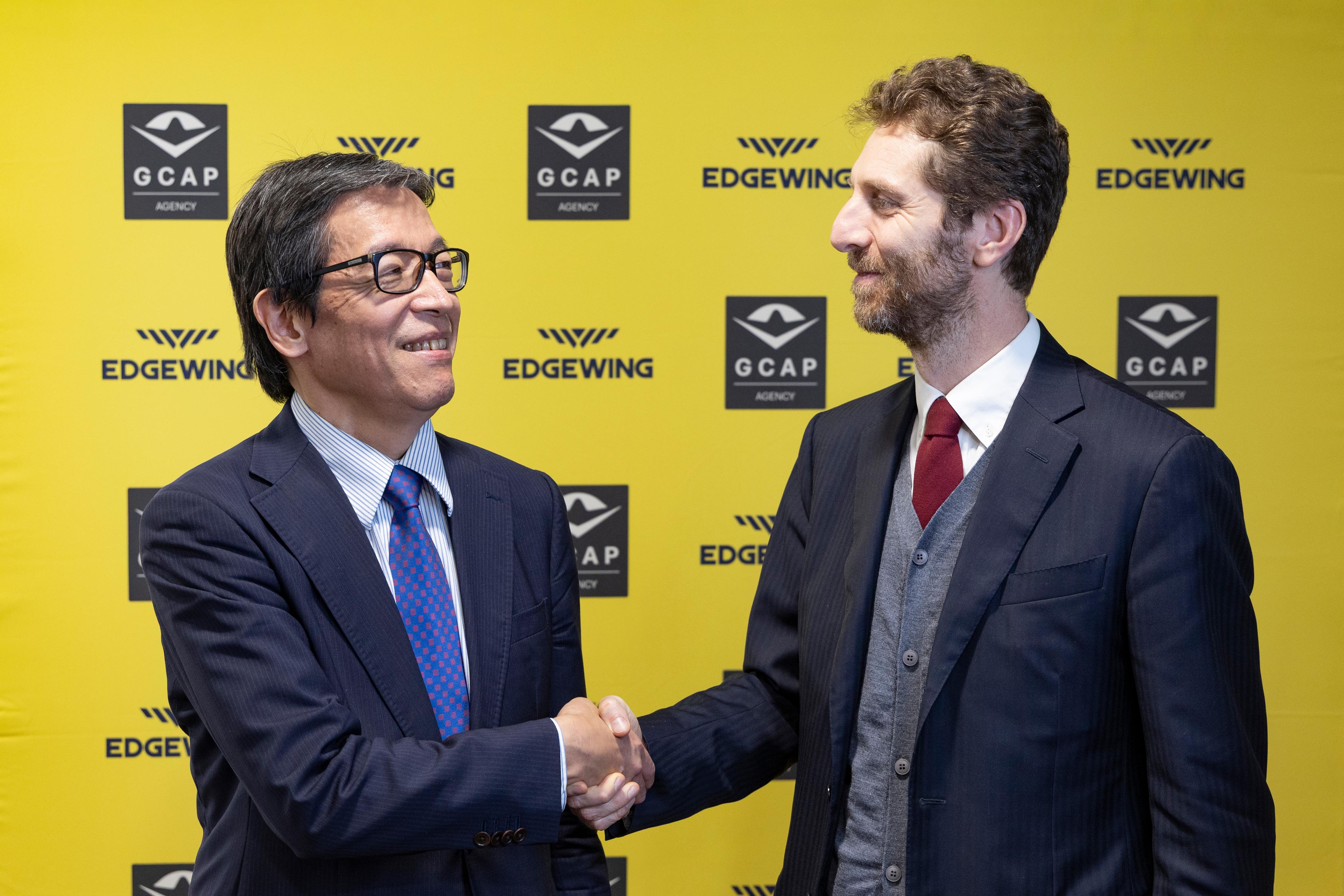
Britain, Italy and Japan are funding the next development phase through a common industrial company. The arrangement makes engineering responsibility as important as national workshare.
The August government update and Sarvam’s 2026 financing provide concrete measures of activity, while highlighting the difference between funded development and widely usable capability.
EuroHPC’s July call and Mistral’s infrastructure plans pursue more European compute through different funding and delivery mechanisms. Neither announcement alone measures installed capacity.
Domestic model development can coexist with imported accelerators, foreign models and overseas supply chains. Sovereignty is a question of control over specific dependencies.
The January 2026 licensing revision followed a different 2025 policy shift. Reading either headline without its scope obscures what exporters and buyers can actually do.
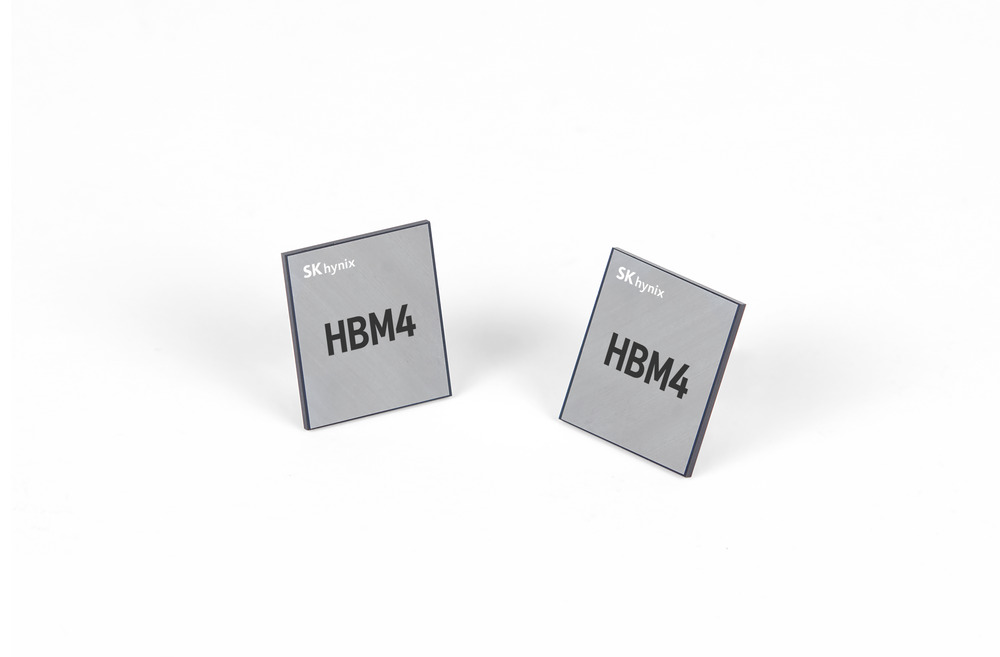
Its HBM4 program, TSMC relationship and September technology presentation connect advanced memory to packaging capacity and strategic export restrictions.
The September SIATT memorandum extends a sequence of agreements into rocket motors and related technologies. It signals intent to develop capability, not a completed transfer of every technology.
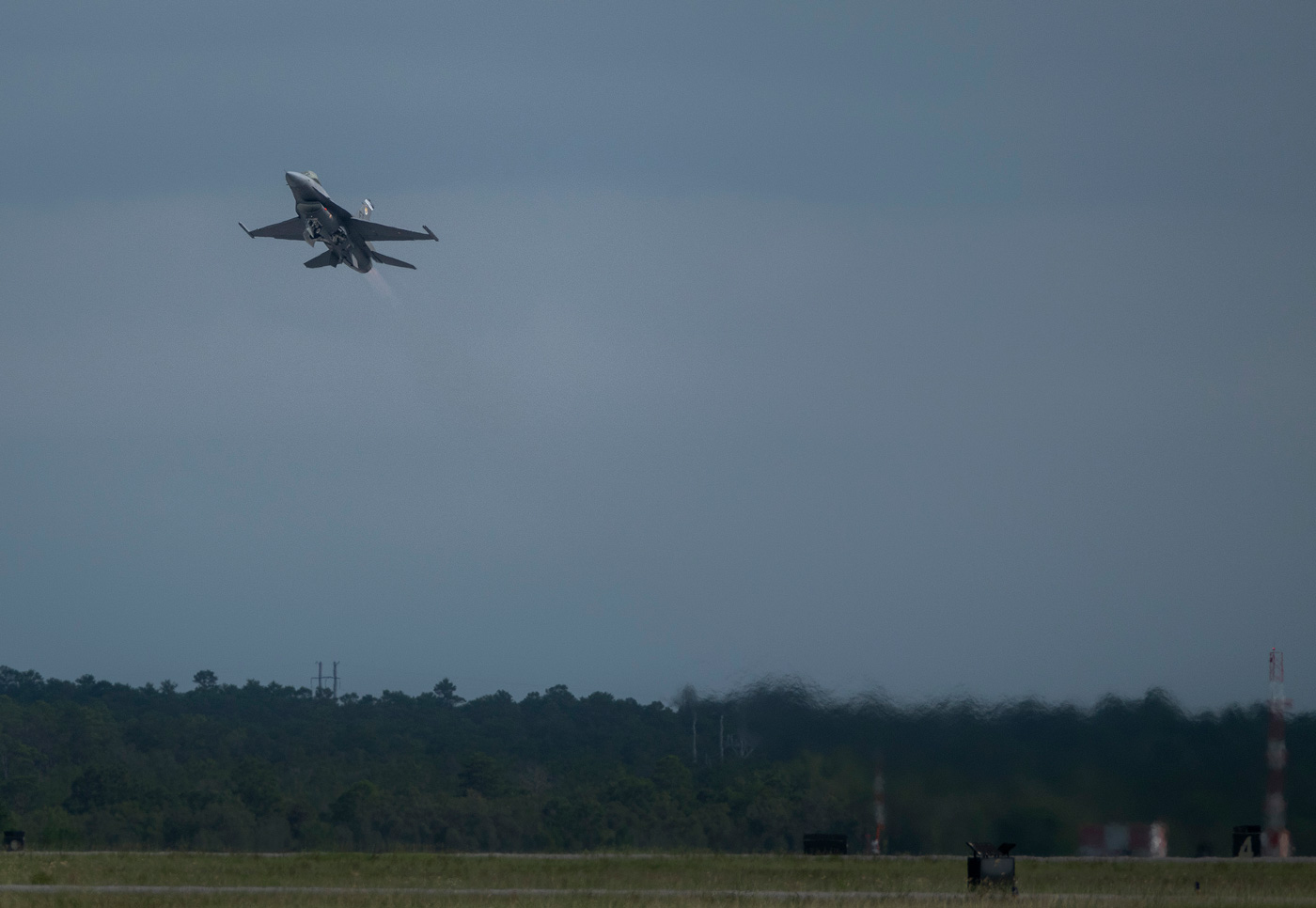
July’s AI-controlled F-16 testing sits beside renewed international calls for autonomous-weapons rules. The engineering and policy questions meet at authority, intervention and operating limits.
The September competition gives selected companies a path to training data for autonomous systems. The challenge is turning battlefield experience into reliable, accountable software.
Recent flight tests, swarm exercises and industrial partnerships show progress at different stages. Their strategic meaning depends on what can be reproduced, supported and integrated.