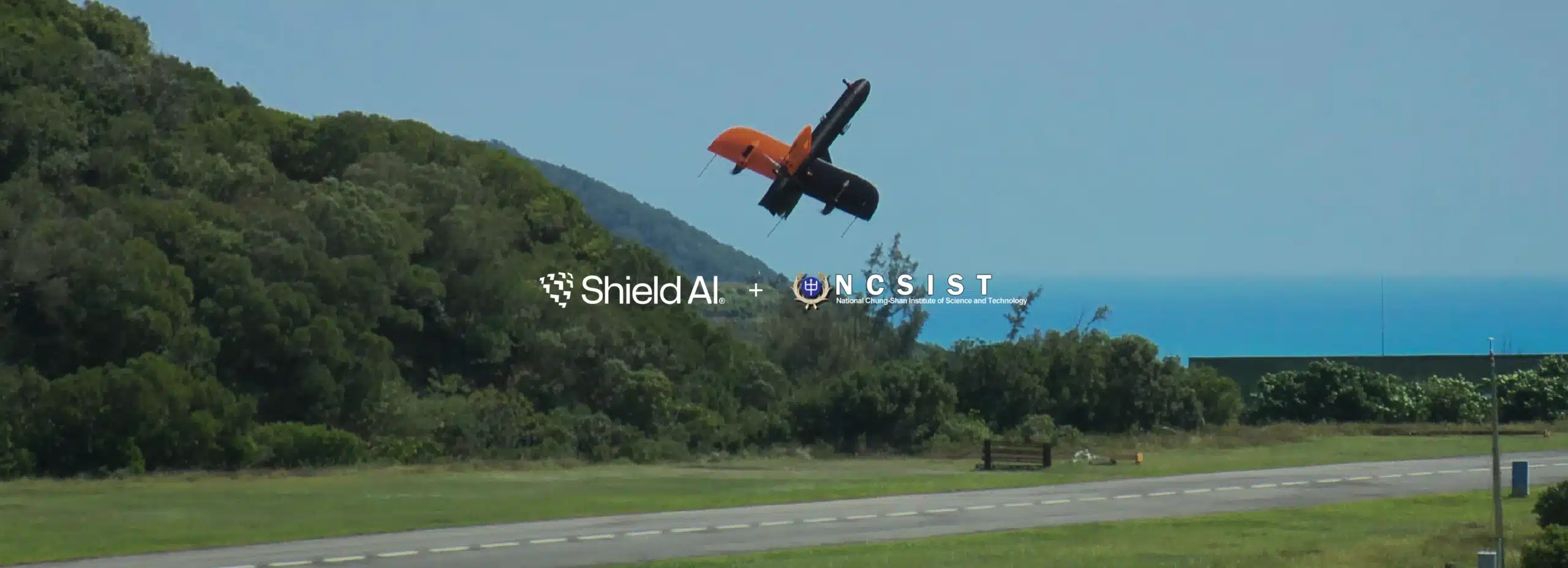
Shield AI’s September 2025 teaming agreement with Taiwan’s Aerospace Industrial Development Corporation placed maintenance, training and integration alongside aircraft capability. For an island considering how to sustain uncrewed systems, that is more than contract background. A useful aircraft must remain serviceable, and an autonomy system must remain understandable to the people responsible for operating it. Shield AI September 2025 AIDC agreement
Autonomy needs an organization
Our analysis starts after delivery. A useful system requires people who can maintain hardware, understand software versions and recognize when operating conditions exceed approved limits. Those capabilities affect whether an autonomy project becomes a persistent national capability or remains dependent on a small visiting team of specialists.
Local support can shorten the distance between a problem and the person able to resolve it. Yet local presence alone does not establish access to source code, permission to modify software or control over replacement components. Industrial cooperation needs to be examined through specific rights and responsibilities rather than geographic labels.
Measure the continuing relationship
The strategic value of training is similarly practical. Can a customer prepare new operators without starting the process again with the original supplier? Can lessons from exercises enter the next release? Can changes be tested and accepted locally? These questions describe institutional learning, which is harder to display than a new aircraft.
Taiwan’s autonomy partnerships should therefore be followed through maintenance arrangements, qualified personnel and repeatable integration work. That is an analytical agenda, not a claim that the public announcements disclose all those details. The capacity to keep systems useful over time can be a more important measure of industrial resilience than the prominence of the signing ceremony or the number of prototypes on display.
A partnership has several different jobs
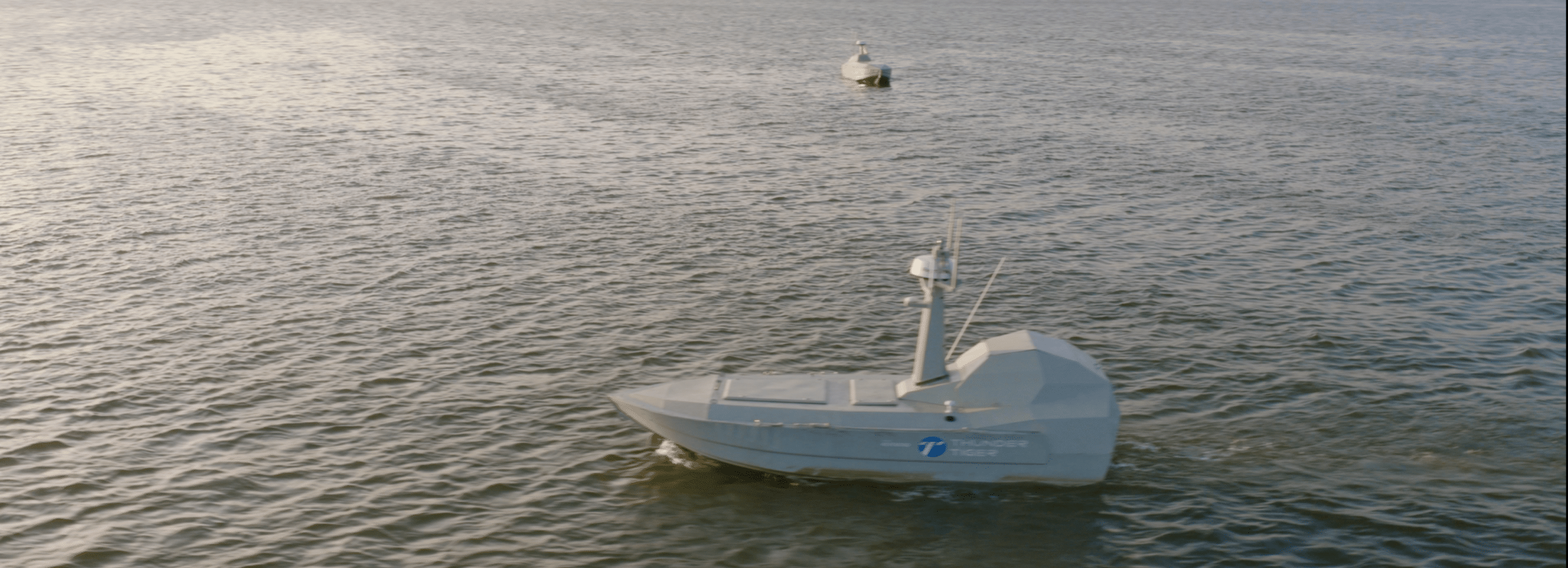
AIDC is the local aerospace partner in the September agreement; NCSIST is the institution named in the separate February 2026 autonomy-development contract. Thunder Tiger is the maritime platform partner in the May memorandum. Those roles should not be collapsed into one generic Taiwan deal. They address different pieces of the system: industrial support, software integration and the vehicle itself. Shield AI September 2025 AIDC agreement Shield AI February 2026 NCSIST contract Shield AI Thunder Tiger partnership, May 2026
The separation matters because a successful demonstration can conceal an incomplete support chain. A development team may have access to experts and replacement hardware that an ordinary operating unit does not. A sustainment arrangement is valuable when it moves that expertise into repeatable local processes, with known responsibility for diagnosis, repair, training and release of updates.
Undersea cooperation makes the same point
AUKUS ministers’ May 2026 statement coupled advanced-capability ambitions with a detailed account of submarine maintenance infrastructure. It described arrangements for Submarine Rotational Force-West in 2027 and planned Australian investment at HMAS Stirling and other sites. These are not Taiwanese projects, but they show another Indo-Pacific partnership treating sustainment facilities and people as prerequisites for useful military capacity. AUKUS May 2026 ministerial statement
The comparison is organizational rather than technological. A nuclear-powered submarine and a small uncrewed aircraft need radically different facilities. Both nevertheless depend on trained staff, access to technical information and an agreed chain of responsibility. The strategic effect of a platform cannot be separated from how frequently it is ready and how quickly faults can be resolved.
Software adds a second maintenance cycle
Mechanical support deals with wear, damaged components and inspections. Autonomy adds behavior that can change after a software update or sensor replacement. A repaired aircraft may be mechanically sound while carrying a configuration that has not been tested with its current payload. Local support therefore needs a way to manage both physical condition and software configuration.
This is our inference from the combined hardware and autonomy relationship, not a disclosed AIDC operating procedure. It explains why training should cover more than routine operation. Technicians and engineers need to know which changes require renewed testing, which logs preserve useful evidence and when an apparently minor modification changes the limits of an approved mission.
The maritime sequence provides a visible test
Thunder Tiger’s July demonstration followed its May agreement and used two SeaShark vessel types. The announced mission integrated maritime sensing with coordinated behavior. That is evidence of progress in putting the software and platform together. It does not reveal spare-parts inventories, repair turnaround, operator qualification standards or the cost of sustaining a larger maritime fleet. Shield AI July 2026 SeaShark demonstration
Those omissions are normal for a demonstration release, but they are central to assessing national capability. A government can benefit from proving a concept while still facing substantial work to support it. The correct conclusion is neither that sustainment is solved nor that the trial has no value. It is that integration and support are separate milestones in the same operational chain.
Readiness is a flow, not an inventory
Counting purchased machines captures a stock at one moment. Readiness depends on a flow of repairs, trained personnel, replacement parts and validated updates. A local partner can improve that flow even when it does not own the original design. Conversely, nominal local assembly can leave critical diagnosis and authorization abroad.
For Taiwan’s autonomy partnerships, the most useful follow-up reporting will identify what local organizations can now do without a foreign engineering team on site. That is the bridge between a commercial support announcement and a credible readiness claim. The public agreements establish the ambition and participants; sustained performance remains the evidence needed to judge the result.
Sources & evidence
This archive preserves its original editorial date. Sources describe the events and announcements discussed; they do not establish today’s status.