A supplier needs to know when a control changes and which part of its product or technology is affected. A broad reference to advanced computing cannot replace a classification against the operative text.
The UK Export Control Joint Unit’s October 23 notice describes proposed updates covering military and dual-use controls, including semiconductor manufacturing equipment and advanced computing technologies. Subject to approvals, regulations are expected in November and commencement in early December. The notice is advance information; it is not the final amended control list. Notice to exporters 2026/24.
The transition has its own geography
The proposal also concerns revocation of General Export Authorisation No 001 in Great Britain. Registered exporters would be able to continue using it until April 1, 2027 if the regulations are made as proposed. The notice separately says EU GEA001 would continue to apply in Northern Ireland under the applicable framework.
The practical next step is to identify the transactions and technical classifications that may need review. Our analysis does not treat every AI or semiconductor shipment as newly restricted. Exact thresholds, destinations, licence conditions and the enacted instrument will determine the effect.
Watch the laid regulations
The longer-term industrial impact will depend partly on how predictably suppliers can distinguish controlled transfers from ordinary trade. Clear transition arrangements can reduce disruption without deciding the merits of an individual application. The next decisive evidence is the published regulation and explanatory memorandum, followed by the licensing guidance needed to implement them.
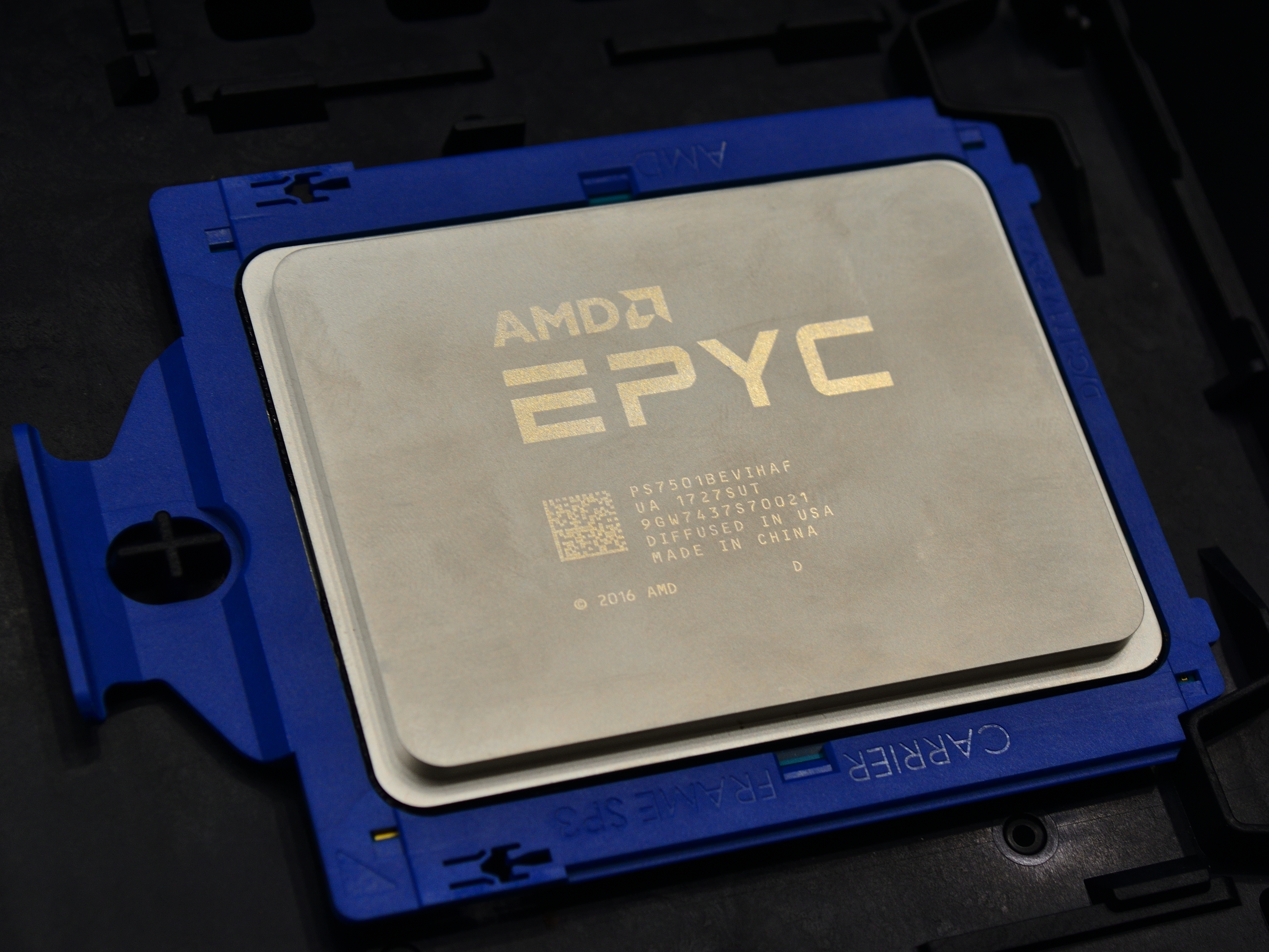
Image reuse: Raysonho / CC0. Original image retained; responsive display may crop the frame.
Sources & evidence
Sources describe the announcements and evidence available when this analysis was published. Company claims are attributed; plans and trials are not treated as sustained operation.